Listening to the Land
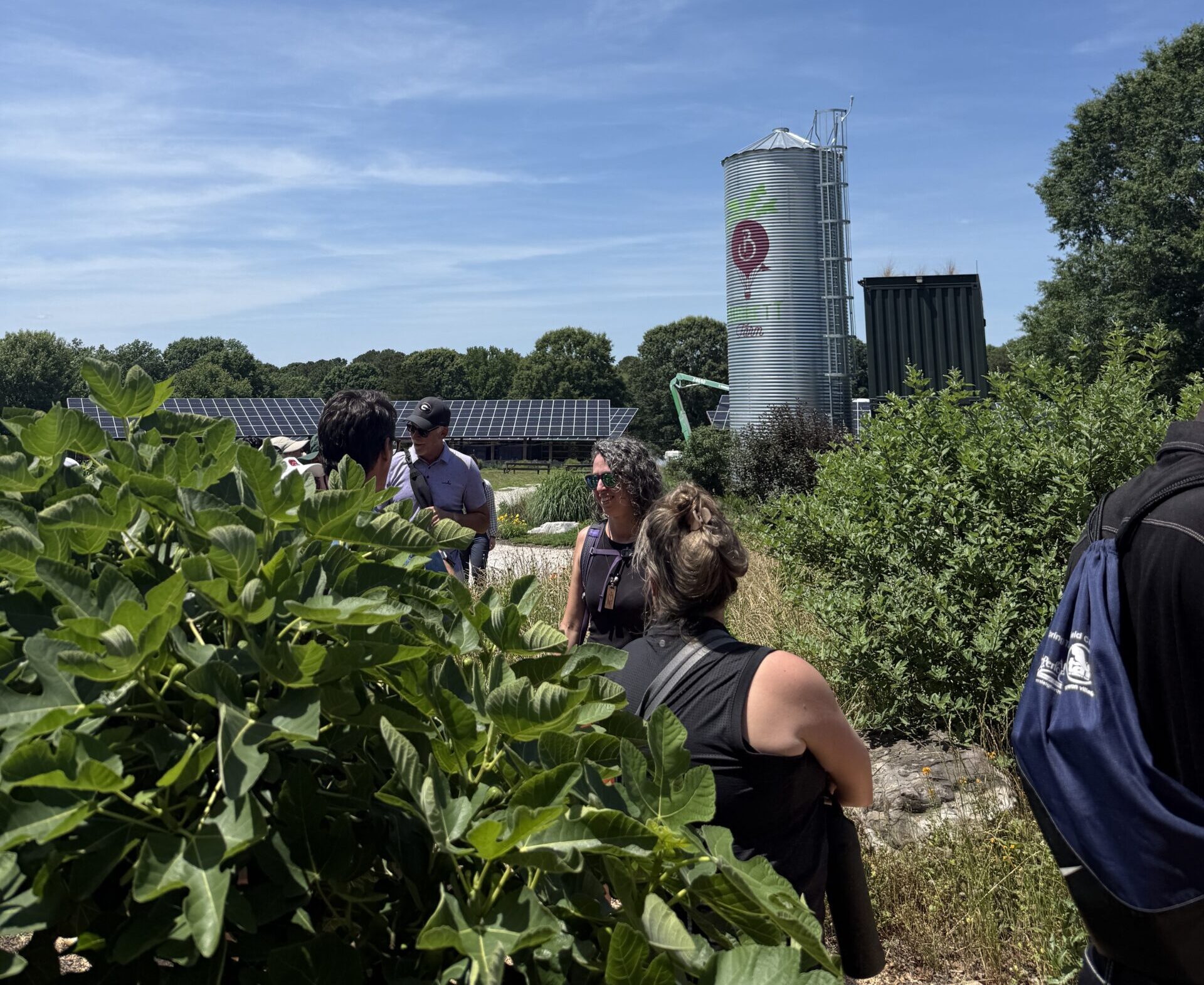
Reflections from SERC 2026
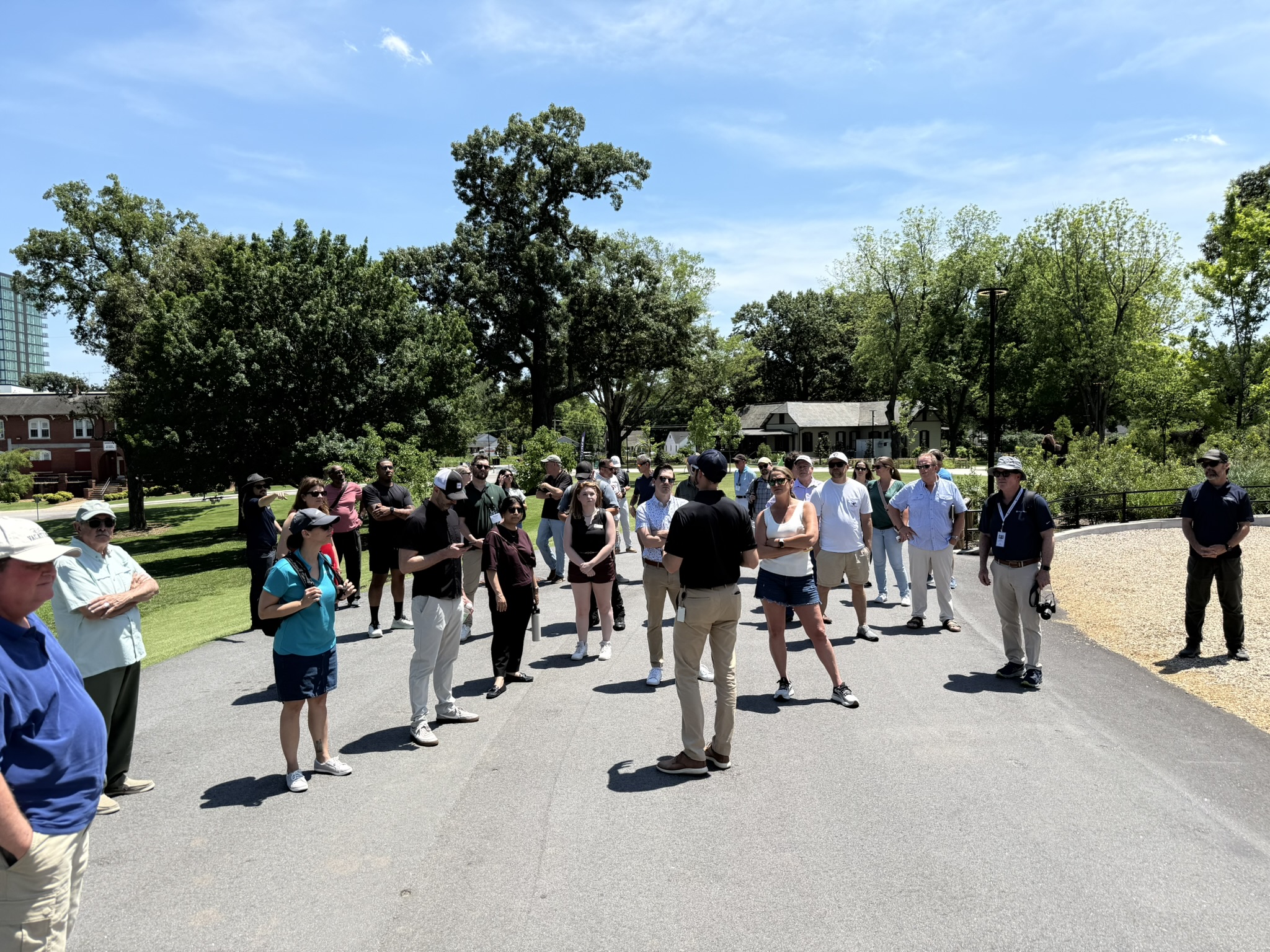
Josh Karrick and Madison Megrath, members of Cline’s Raleigh Planning and Landscape Architecture team, recently attended the 2026 SERC Conference, where conversations centered around innovation, stewardship, resilience, and community-centered design across the Southeast.
For Josh and Madison, the conference offered more than a series of sessions and tours. It was a chance to step back and consider how landscape architecture continues to respond to some of the region’s most pressing questions: How do we honor the stories embedded in a place? How do we design for ecological health over time? How can public engagement invite more people into the process? And how do we plan for growth in a way that supports stronger, more resilient communities?
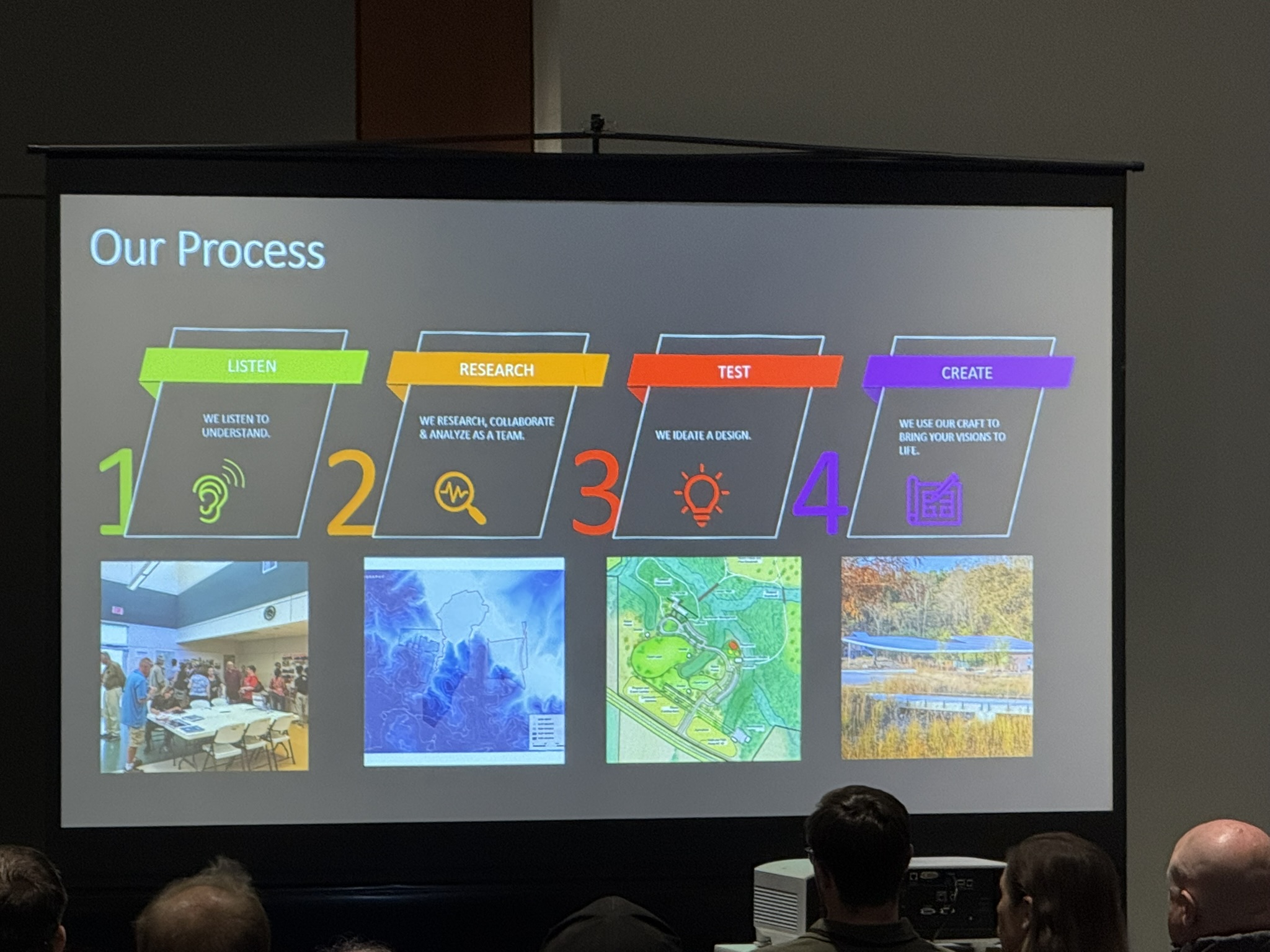
Across the conference, one idea came through clearly: meaningful design begins with listening.
Understanding Place Before Shaping It
A recurring theme throughout the conference was the importance of approaching landscapes as places with layered histories, identities, and ecological systems. Sessions focused on memory and cultural landscapes challenged attendees to consider the stories a site carries before making decisions about what it should become.
That idea resonated with our team. Landscapes are never blank slates. They hold memory, culture, ecology, movement, and community meaning. Whether restoring a significant site, reimagining underused land, or creating public spaces that allow room for reflection, landscape architecture has the ability to reveal what is already present rather than overwrite it.
Stewardship Beyond Installation
Another major takeaway was the difference between maintaining a landscape and managing one.
Sessions on conservation and native landscape management explored how successful landscapes require long-term stewardship, adaptive care, and a deeper understanding of ecological systems. Native landscapes, in particular, ask designers, owners, and communities to rethink traditional expectations of what “finished” or “maintained” looks like.
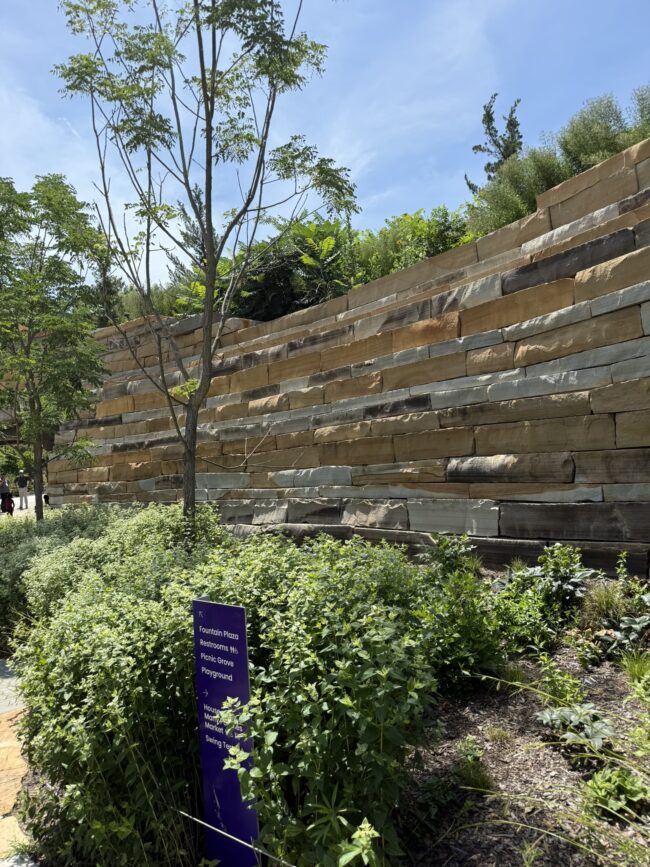
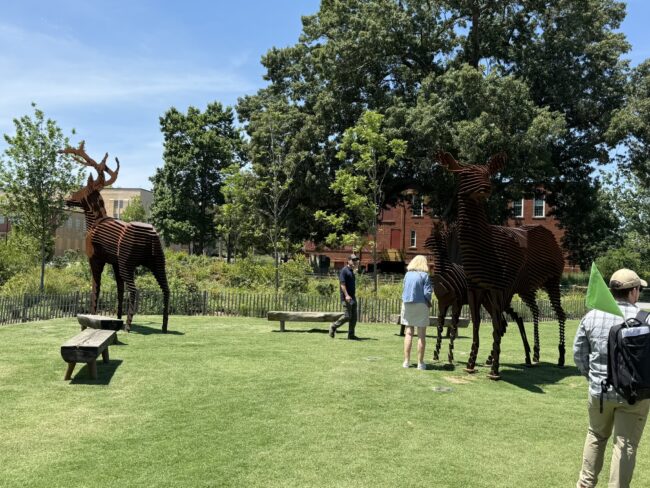
Madison noted the importance of visible cues of care including signage, framed views, intentional edges, art, and other strategies that help people understand that a native landscape is purposeful, evolving, and actively managed.
Bringing the Conversation Back to Practice
For Josh and Madison, SERC 2026 offered both inspiration and practical insight. The conference reinforced that landscape architecture sits at the intersection of memory, ecology, infrastructure, culture, and community life.
The strongest ideas were not about design as a singular act, but as an ongoing responsibility: listen before shaping, design with care, manage landscapes over time, and create places that are resilient, meaningful, and built for long-term public value.
As Cline continues to design across the Southeast, these conversations are a valuable reminder of the role landscape architecture can play in shaping healthier, more connected, and more enduring communities.